Some candles smell beautiful in the jar.
The better question is whether they belong in the room.
A candle is rarely just a fragrance. Once it is lit, it becomes part of the atmosphere: the way the room softens, the way the evening slows down, the way a surface feels more intentional with one warm point of light. Choosing well is not only about liking a scent. It is about understanding where that scent will live.
A candle for a kitchen asks for something different than a candle beside the bed. A scent for a quiet Sunday morning does not need to do the same work as a scent for guests arriving after dinner. The room matters. The hour matters. The ritual around it matters too.
Start with the room
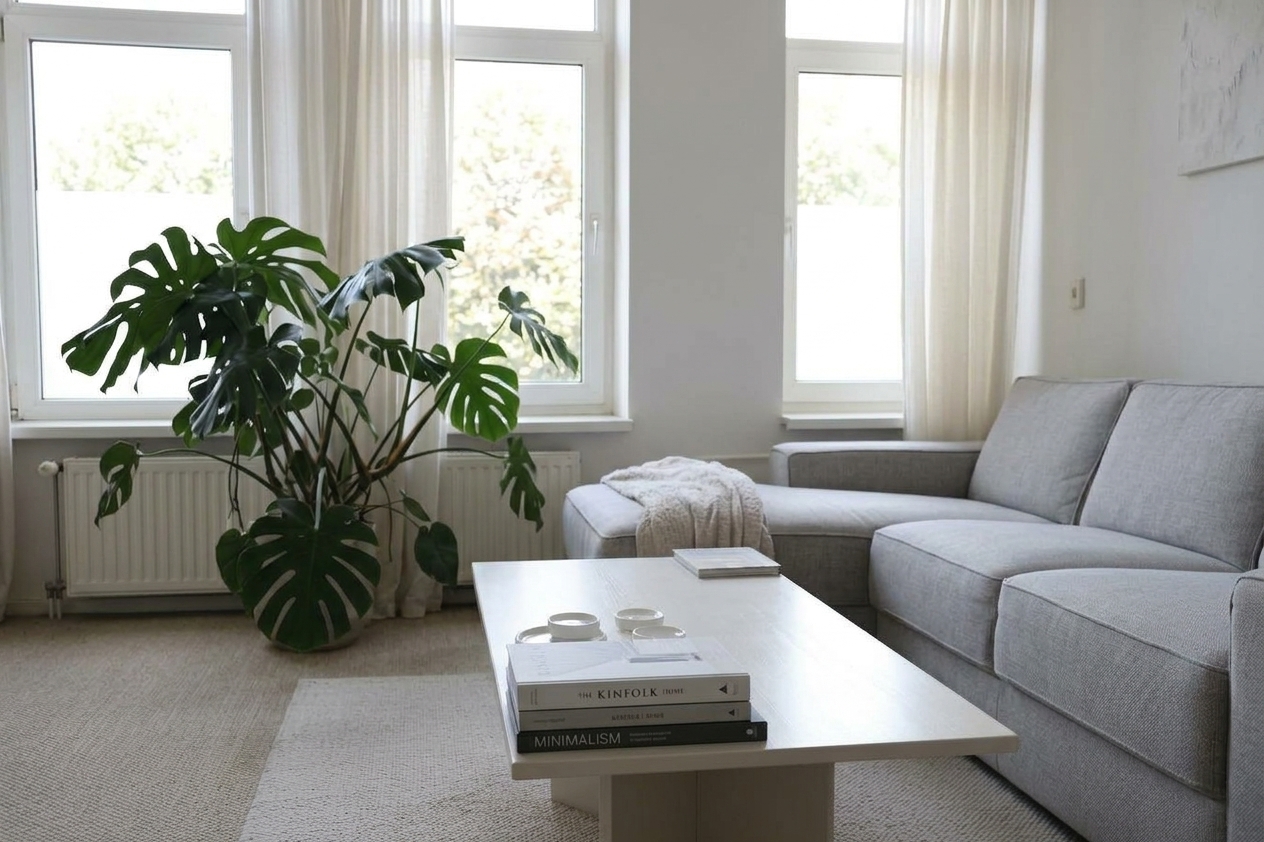
Before choosing a candle, begin with the space.
A smaller room usually needs a gentler fragrance. Bedrooms, bathrooms, reading corners, and narrow hallways can become overwhelmed quickly if the scent is too heavy. In these spaces, a candle should stay close. It should create a feeling without taking over.
Larger rooms can carry more depth. A living room, open kitchen, or dining space can hold warmer woods, soft spice, resin, amber, or layered florals more comfortably. These are rooms where scent has more air to move through and more texture to settle into.
This is why the same candle can feel different from one home to another. It is not only the candle changing. It is the light, the furniture, the season, the materials in the room, and the way the space is used.
Think in moods, not categories
It is easy to choose scent by category: floral, woody, fresh, warm, sweet.
But mood is often more useful.
Ask what you want the room to feel like.
If the room should feel calm, choose something soft and steady. Clean linen, pale woods, gentle herbs, quiet florals, or something lightly mineral can help the space feel open and settled.
If the room should feel warm, look for depth. Soft woods, resin, spice, amber, smoke, tea, or dry earth can make an evening feel slower and more intimate.
If the room should feel bright, choose something with lift. Citrus, green leaves, fresh herbs, or delicate florals can make a morning table or entrance feel more awake.
If the room should feel personal, choose something less obvious. A scent with a little contrast often feels more memorable: soft but dry, floral but earthy, warm but clean.
The most interesting rooms are not perfect. They have tension. Texture. Something familiar and something unexpected.
Match the candle to the hour
Scent changes with time of day.
Morning usually asks for clarity. A candle lit while opening windows, making coffee, or clearing the table should not feel too heavy. This is where fresher notes, lighter woods, herbs, and clean textures work well.
Afternoon can hold something softer. A candle beside a book, a desk, or a quiet corner can be subtle. It does not need to announce itself. It only needs to make the room feel cared for.
Evening allows more warmth. As daylight lowers, richer scents begin to make more sense. Woods, resin, soft spice, amber, and deeper florals can help mark the shift from activity to rest.
This is where candles become useful as ritual. Lighting one at the same time each evening teaches the room to change. It gives the day a gentle closing gesture.
Let texture guide you
A candle also lives as an object.
The vessel, the surface it sits on, the objects around it, and the materials nearby all shape how the candle feels in the room. A matte ceramic vessel beside paper, linen, glass, or worn wood will speak differently than the same candle placed on a glossy, crowded surface.
This does not mean everything has to be styled. In fact, it is better when it is not.
A folded throw. A cup left beside a chair. A book on the table. A small tray. A handmade vessel that catches the light differently each time you pass it.
These details create atmosphere before fragrance even begins.
Choose one scent at a time
A good room does not need to smell like many things at once.
When lighting a candle, let it be the only fragrance in the room for a while. Too many scented objects can flatten the atmosphere. The scent becomes confused instead of memorable.
One candle, used intentionally, is usually enough.
This is especially important in slower rooms: bedrooms, corners for reading, quiet living spaces, and places where you want the body to settle. The goal is not to fill every part of the air. The goal is to give the room a center.
Make the candle part of a ritual
The best candle is the one you actually use.
Not the one kept untouched because it feels too special. Not the one saved for guests who rarely come. A candle becomes meaningful through repetition.
Trim the wick.
Clear a small surface.
Light it before opening a book.
Light it after dinner.
Light it while the bath runs.
Light it when the laptop closes.
A small ritual does not have to be elaborate to be effective. It only has to be repeated often enough that the body begins to recognize it.
Choose for the life around it
A candle should fit the way you live.
For a home that is often quiet, choose scents that reward attention: layered, soft, textural, and close.
For a home that welcomes people often, choose something generous but not overpowering: warm, familiar, and easy to be near.
For someone who loves routine, choose a candle that can become a daily signal.
For gifting, choose a scent that feels considered rather than too specific. Warm, clean, softly woody, or gently floral scents often feel more universal than anything overly sweet or dramatic.
The most thoughtful candle is not always the boldest one. It is the one that understands the moment it is entering.
A slower way to choose
When choosing a candle, ask:
Where will this live?
When will it be lit?
What should the room feel like?
What materials will surround it?
Will it become part of a ritual?
These questions make the choice more personal. They move the candle from decoration into atmosphere.
At Abera & Co, we think a candle should belong to the rhythm of a home. The scent matters, but so does the vessel, the burn, the hour, and the surface it rests on. Together, these details shape a room that feels softer, warmer, and more intentional.
Choose the candle that belongs not only to your taste, but to your space.
The room will tell you when it is right.